

A Magnetic Shock to Traditional Watchmaking To celebrate its 250th anniversary, Breguet didn’t just release another commemorative limited edition. Instead, it created a research platform in disguise—the Experimentale 1, the first piece in a new, R&D-led line.
GQ The headline is simple but radical: The Experimentale 1 uses magnets to regulate the movement without contact. In normal mechanical watches, friction is the enemy. The escapement components repeatedly strike and slide against each other, gradually wearing down surfaces and bleeding energy. Breguet’s new magnetic escapement tackles that by using magnetic forces to control the motion instead of direct contact. The result? Far less friction
More consistent power delivery Improved long-term stability It’s housed in a 43.5 mm Marine-style case in a proprietary Breguet gold alloy, with a sapphire dial that lets you see the architecture of the movement. The layout nods to an 1820 Breguet regulator pocket watch, but the watch itself feels like it teleported in from the next century.
This is the kind of thing that reminds the industry who invented the tourbillon in the first place.
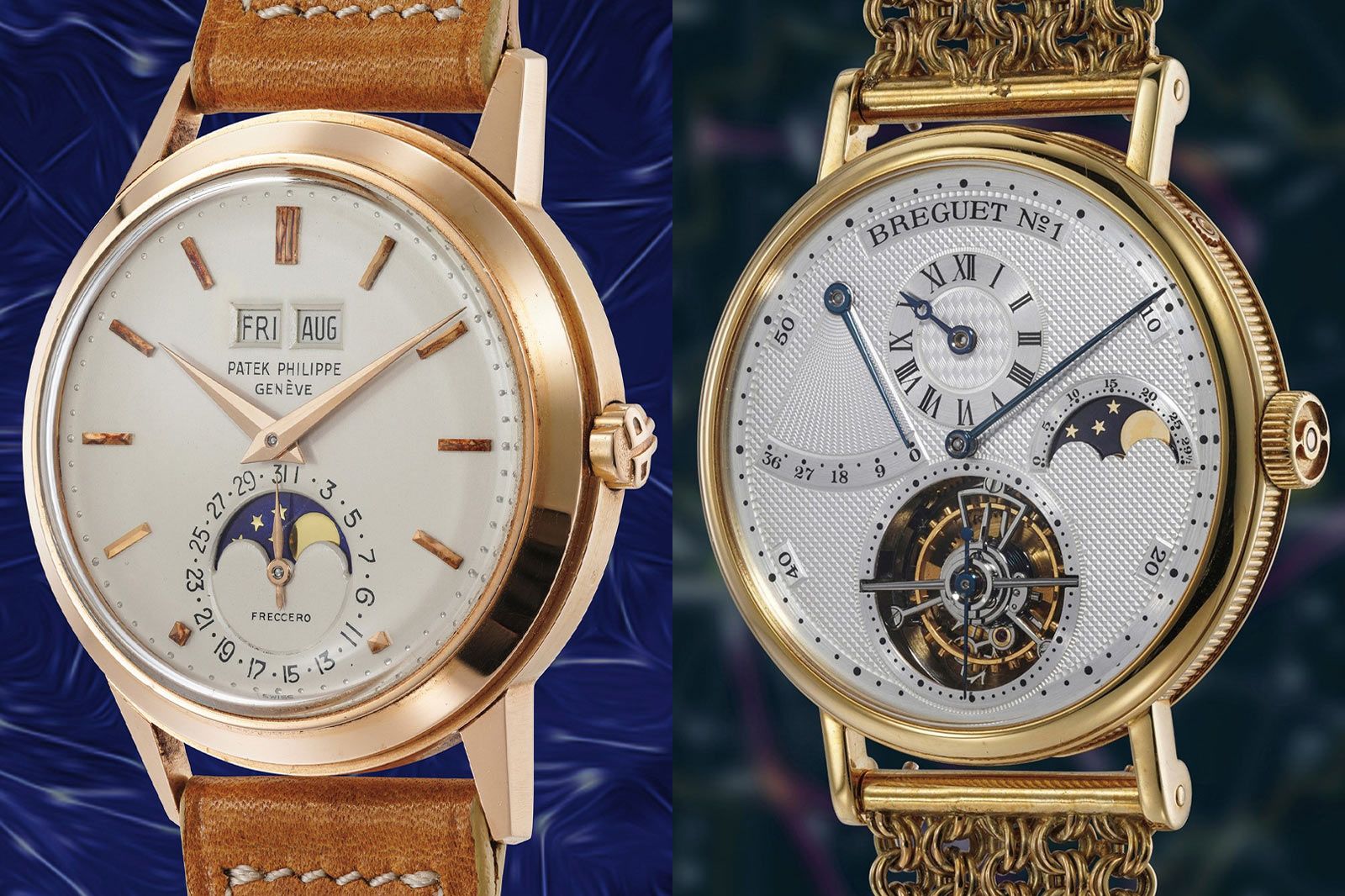
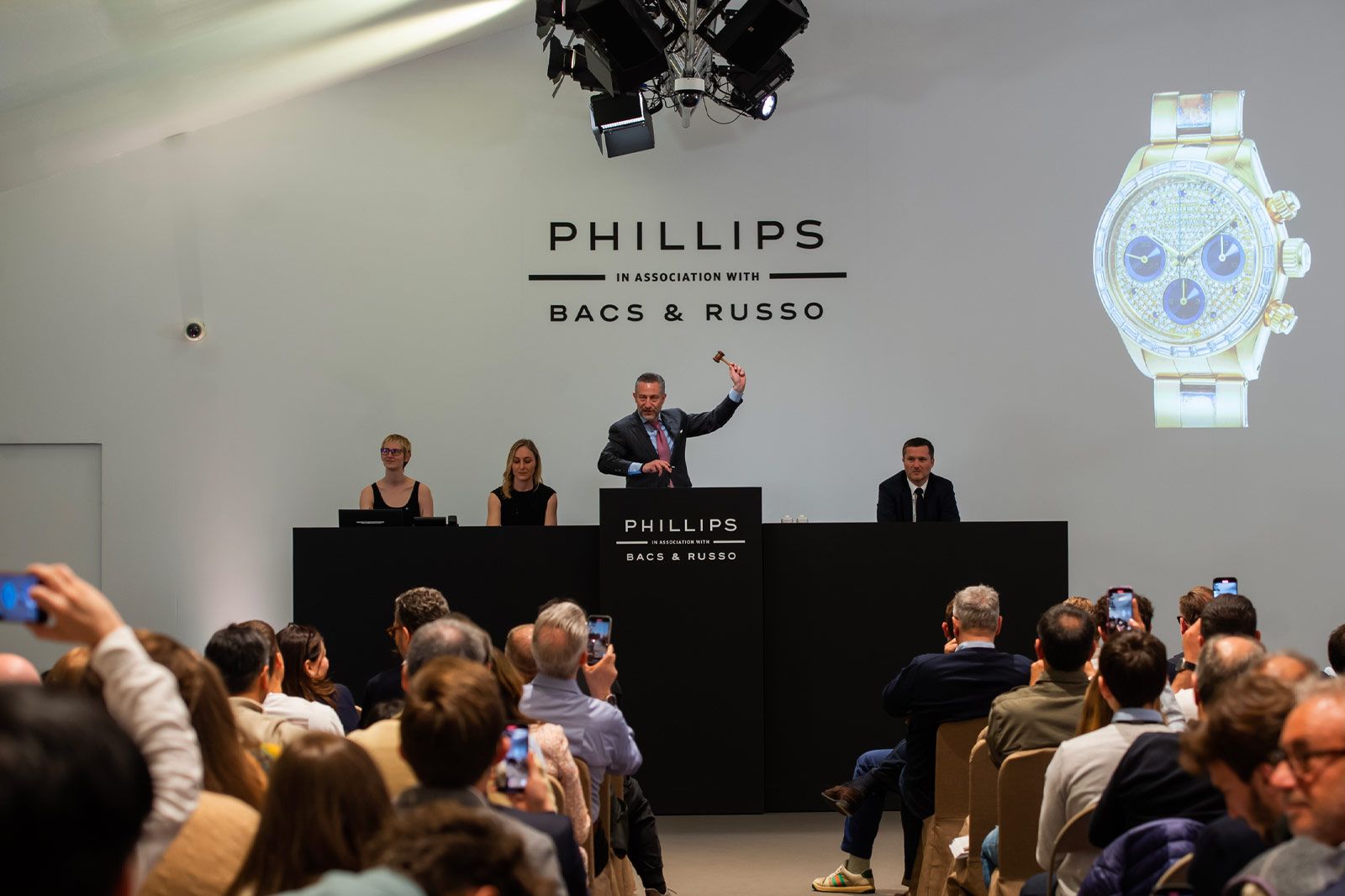
Meanwhile in Geneva: The Past Is on Fire While Breguet is experimenting with magnetic fields, the Geneva fall auctions reminded everyone that the big money is still in the classics. Across the main houses—Phillips, Christie’s, Sotheby’s—vintage Patek Philippe and Rolex pieces once again dominated the leaderboards, with several records and near-records falling.
Highlights included A historically important Patek Philippe ref. 1518 and other mid-century references punching deep into seven-figure territory. A Rolex Daytona ref. 6263 “Oyster Sotto” selling for around CHF 1.39 million, close to its historical peak and a clear reminder that the right Daytona is in a market all of its own.
For anyone watching Daytona prices in the real world, this auction weekend sends a strong signal: the Rolex Daytona—in all its key references, from vintage to modern—remains one of the most resilient assets in the collectible watch universe. If you’re exploring current models, the Daytona section on Winder at https://winderapp.com/rolex/daytona is still ground zero for tracking what’s available and where prices are settling. Zoom out, and the story is consistent: hype-heavy modern pieces cooled, but watches with technical significance, rarity, and proven narratives kept climbing.
Two Worlds, One Collector Mindset At first glance, Breguet’s lab-grade Experimentale 1 and a CHF-million vintage Daytona don’t have much in common. One feels futuristic, the other almost mythological. But they’re driven by the same collector psychology: People want real innovation or real history—nothing in between. They are happy to pay for firsts: first magnetic escapement, first serial-production perpetual chrono, first steel execution of a halo complication. They increasingly research references, movements, and auction histories before they buy. The middle ground—safe, derivative releases with no meaningful story—feels less and less relevant. That’s why brands like Breguet are taking big technical swings, and why watches like the Daytona still command gravity-defying demand within the Rolex universe (https://winderapp.com/rolex).
What This Means If You’re Buying in 2026 Looking ahead, the market seems to be splitting into three lanes: 1️⃣ Innovation Pieces (Like Experimentale 1) These are the “concept cars” of watchmaking—low volume, high price, big technical statements. They’re rarely daily drivers, but they set the tone for everything that trickles down. Expect more: Exotic escapements Novel materials (magnetic alloys, silicon variants, new gold formulas) Visibly experimental architecture 2️⃣ Proven Icons (Daytona, Submariner, Royal Oak, etc.) These watches are the blue chips. The Geneva results reinforce what many already knew: if you pick the right reference, with the right dial and the right condition, long-term demand is incredibly sticky—especially for Rolex Daytonas and certain vintage Pateks. On the modern side, the broader Rolex catalogue (https://winderapp.com/rolex) still anchors the steel sports market, and that won’t change anytime soon. 3️⃣ “Value Smart” Pieces There’s also a rising category of watches that don’t break auction records but consistently outperform the wider pre-owned market—steel sports, thoughtful chronographs, and integrated-bracelet models that quietly creep up in value while hype pieces swing.
The Bottom Line: Past and Future on the Same Wrist Breguet’s Experimentale 1 is not just a technical flex. It’s a statement that serious innovation still happens in Switzerland, even in a market dominated by heritage and nostalgia. At the same time, Geneva’s auction season proved that the right vintage references—especially halo models like the Rolex Daytona—remain as magnetic to collectors as any new escapement. If you’re building a collection for 2026 and beyond, the sweet spot might be this: One watch that represents where watchmaking has been (a historically important design, a classic Rolex reference, a vintage complication). One watch that represents where watchmaking is going (advanced materials, novel escapements, experimental architecture). Together, they tell the full story. And right now, that story has rarely been more interesting.