

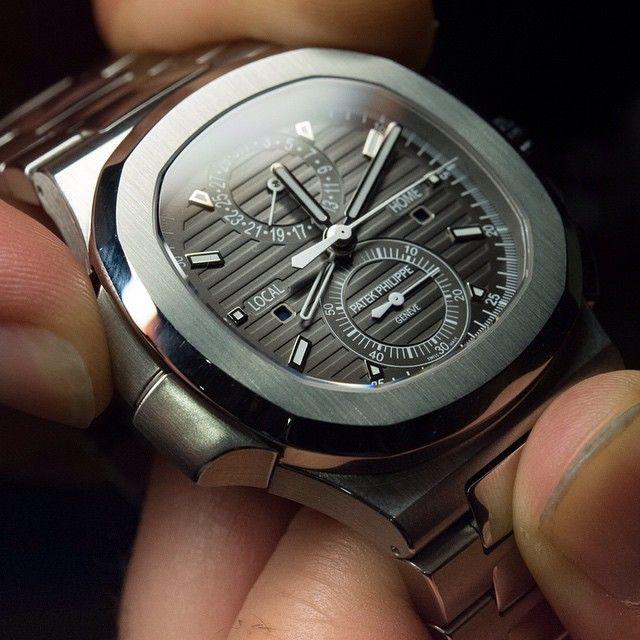
Swiss watches have long been associated with wealth, craftsmanship, and prestige. In recent years, they’ve also been discussed as investments. Headlines about record auction prices and soaring Rolex values have fueled the idea that buying a luxury watch can be as smart as buying stocks or real estate.
**But is that actually true? ** Is it really worth investing in Swiss watches — or is the reality more nuanced? This article looks at the Swiss watch market honestly, separating marketing myths from collector reality.
**Is It Worth Investing in Swiss Watches? A Realistic Market Analysis **
Swiss watches have long been associated with wealth, craftsmanship, and prestige. In recent years, they’ve also been discussed as investments. Headlines about record auction prices and soaring Rolex values have fueled the idea that buying a luxury watch can be as smart as buying stocks or real estate. But is that actually true? Is it really worth investing in Swiss watches — or is the reality more nuanced? This article looks at the Swiss watch market honestly, separating marketing myths from collector reality.
Which Swiss Watches Actually Perform Well?
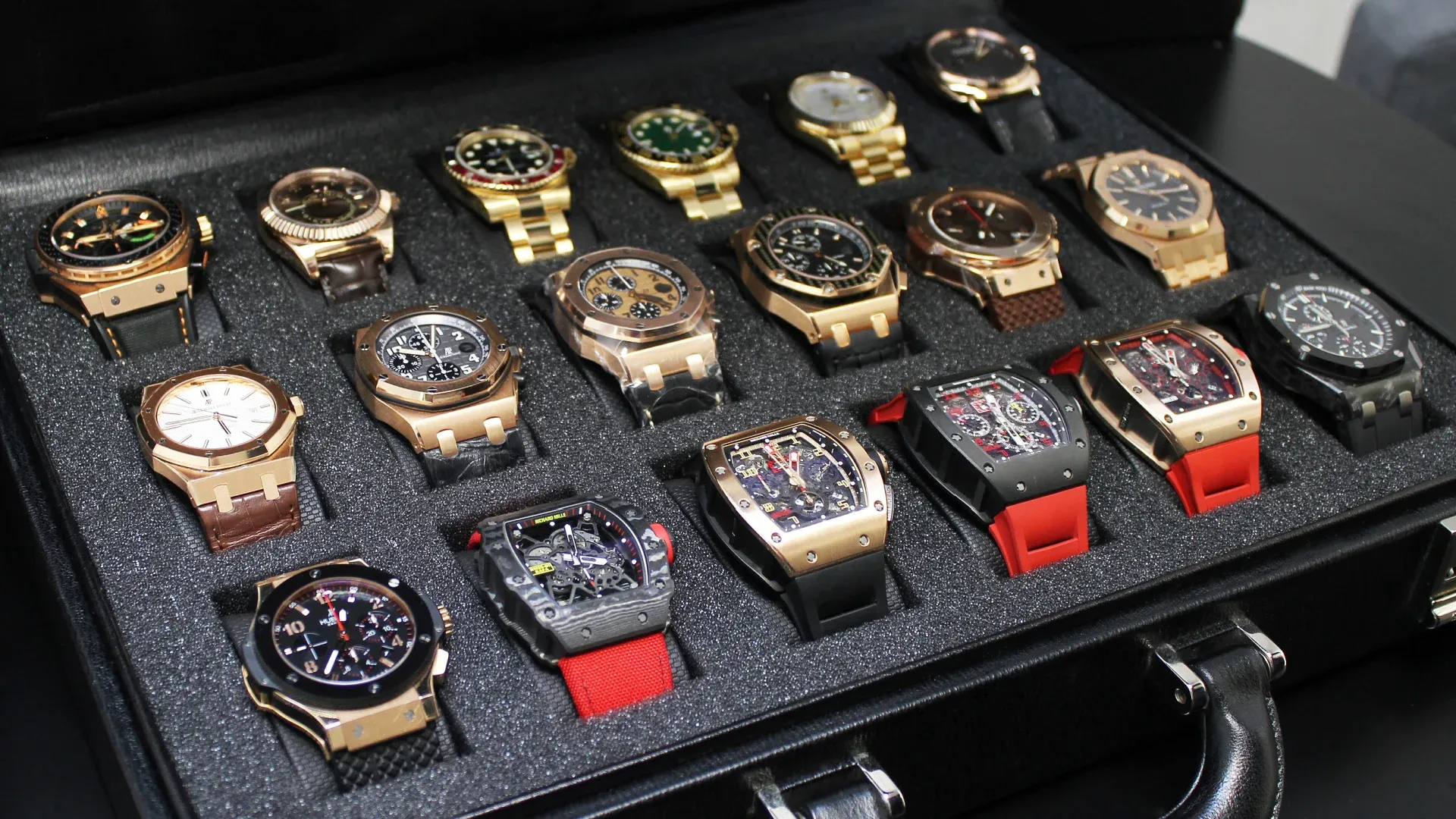
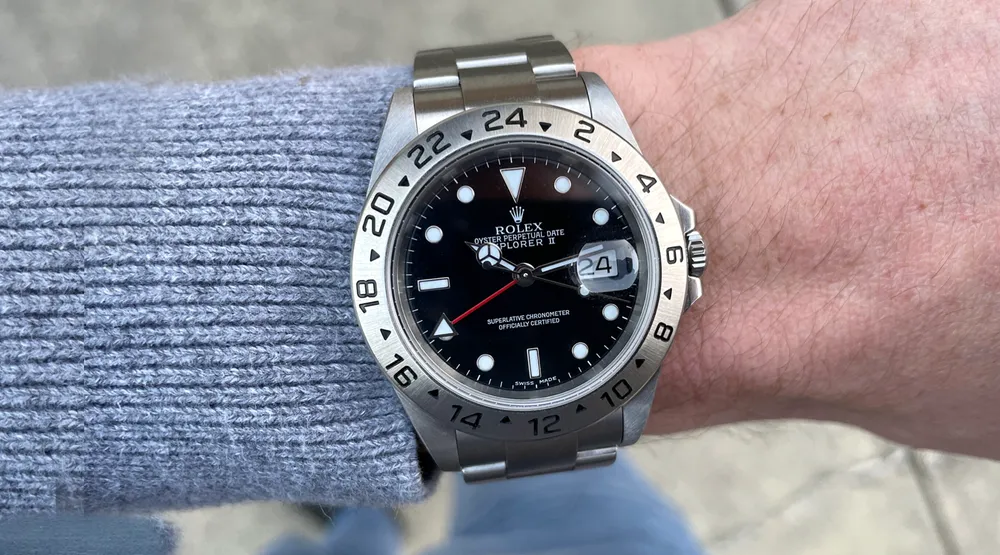
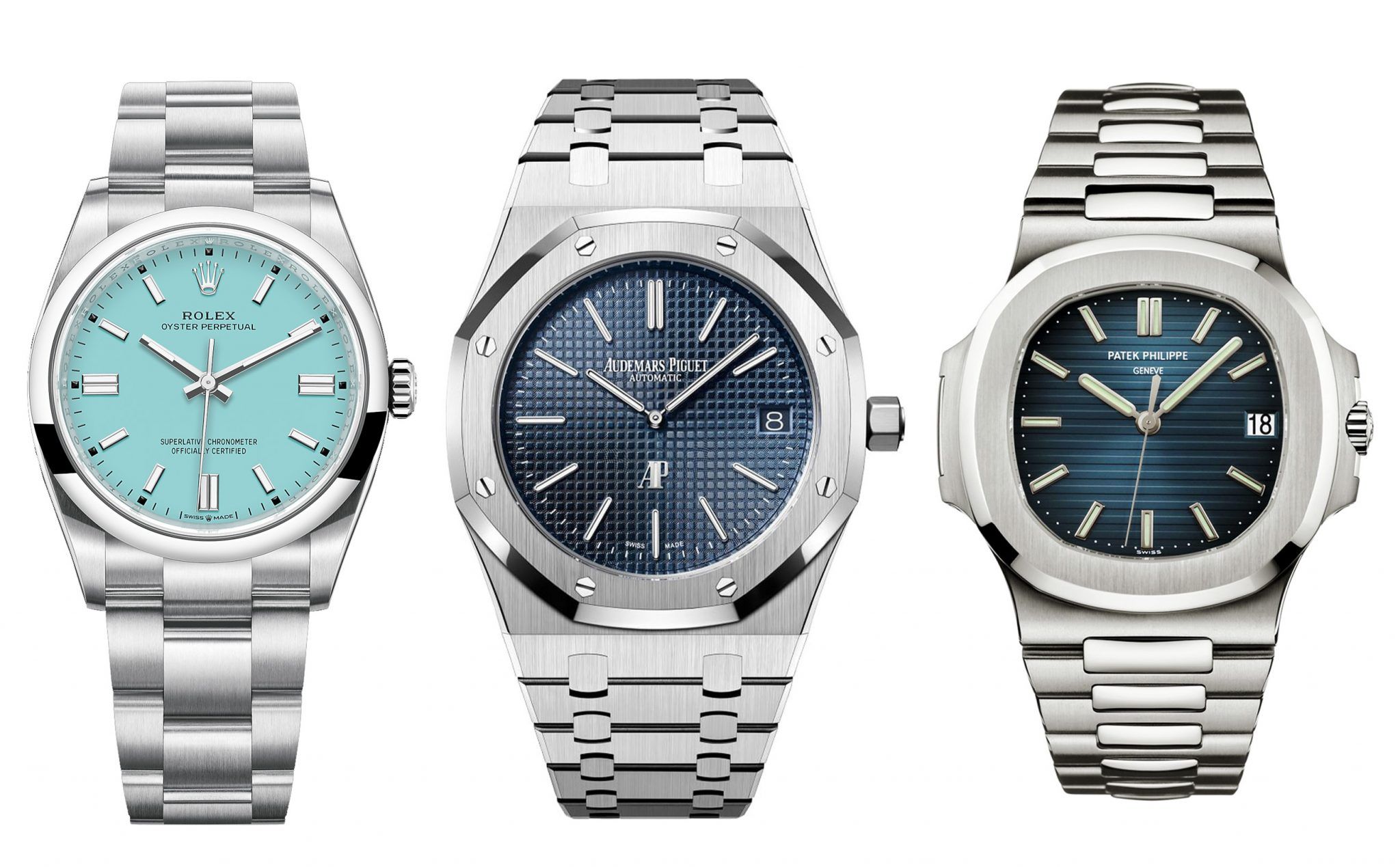
Only a very small segment of the Swiss watch market has demonstrated consistent long-term appreciation. Brands that historically perform best:
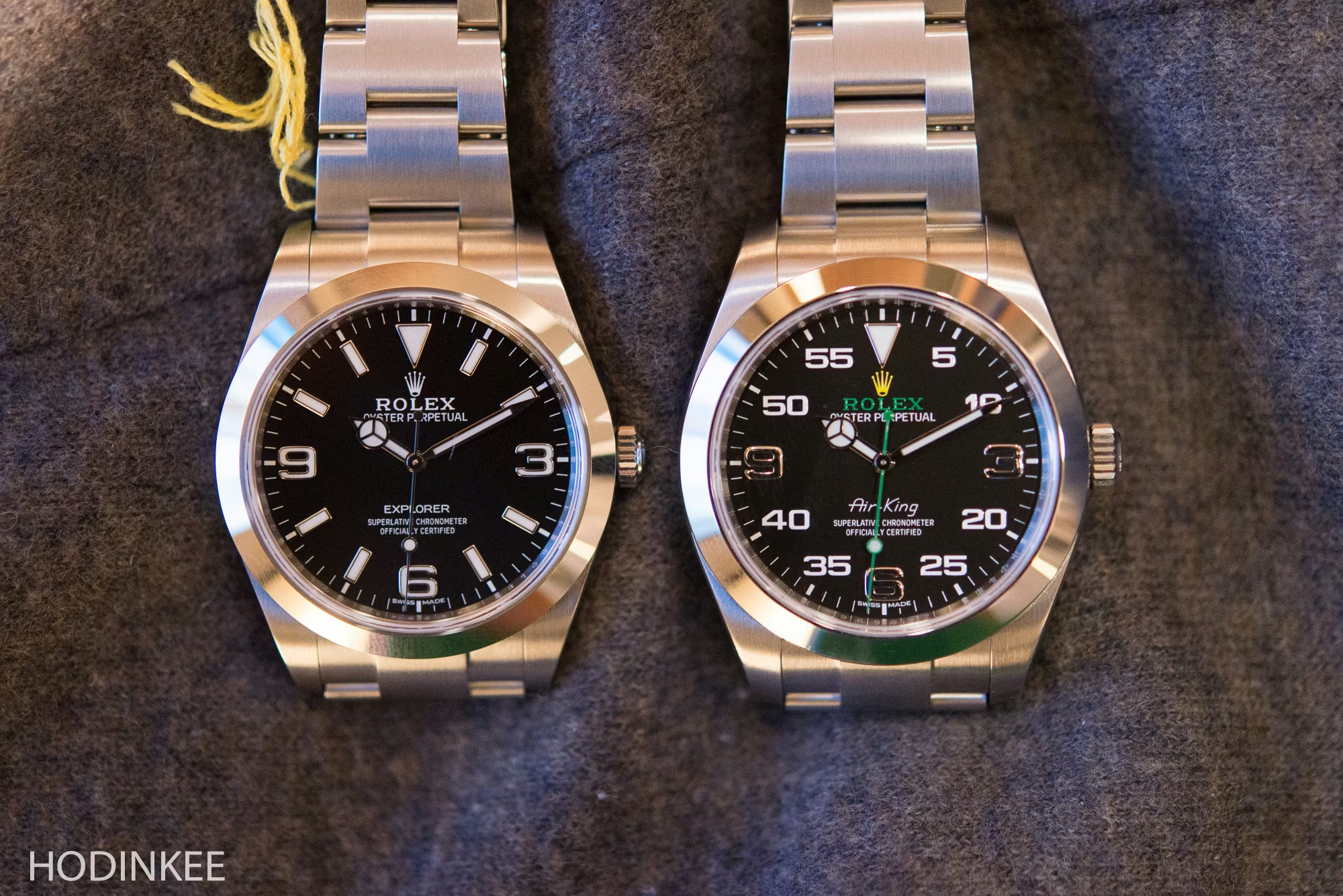
- Rolex
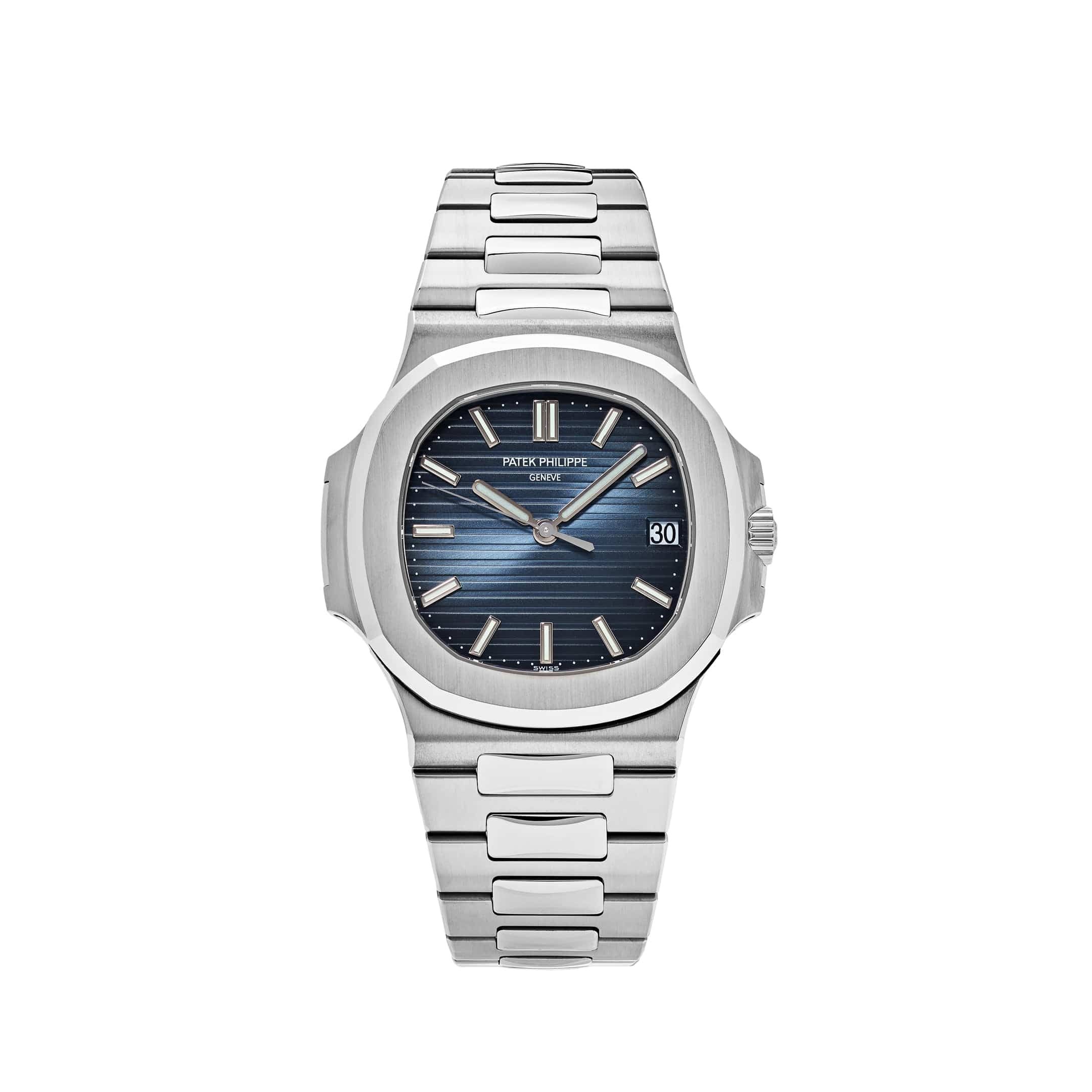
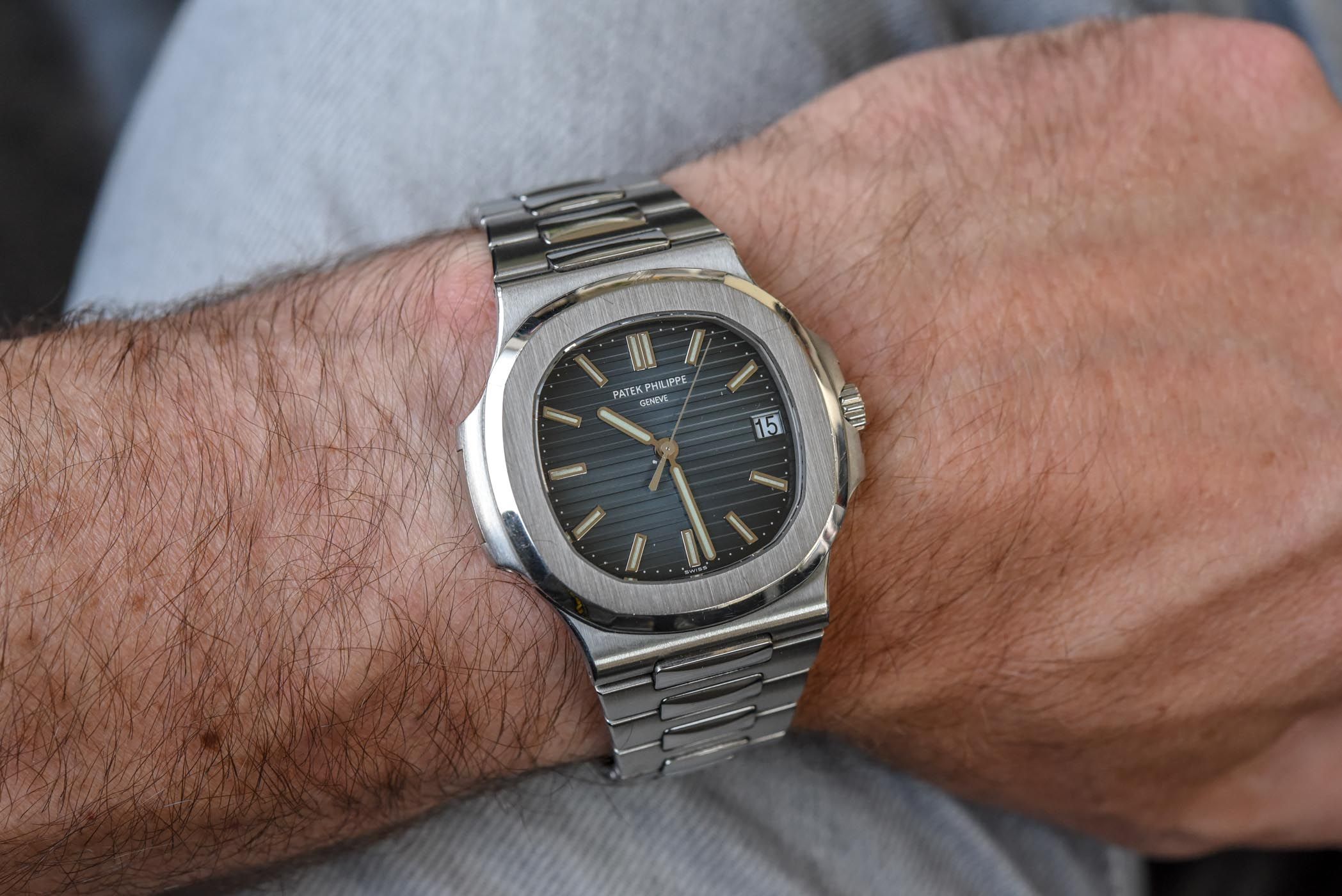
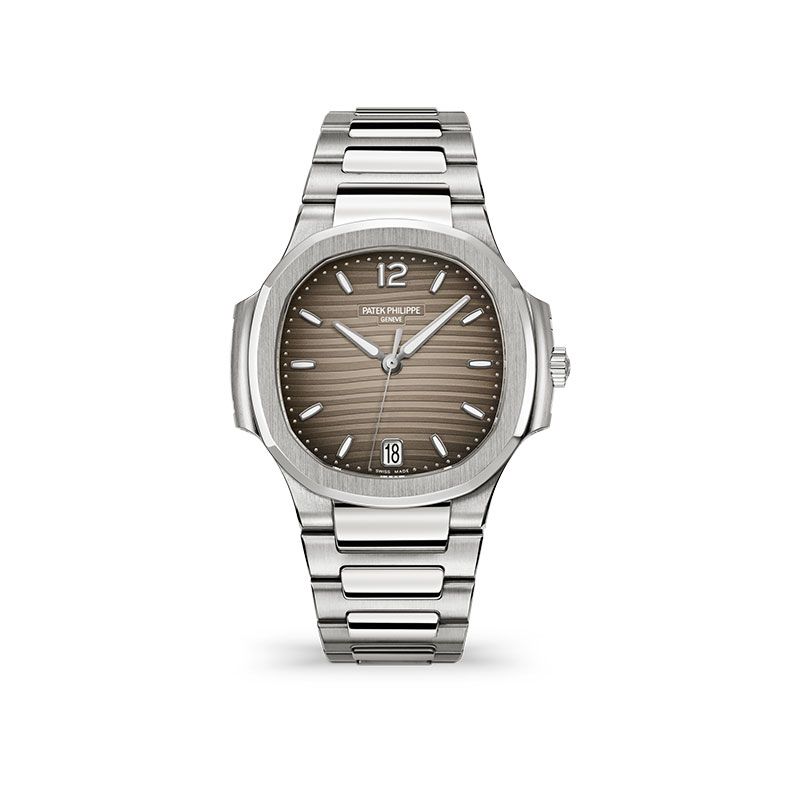
- Patek Philippe
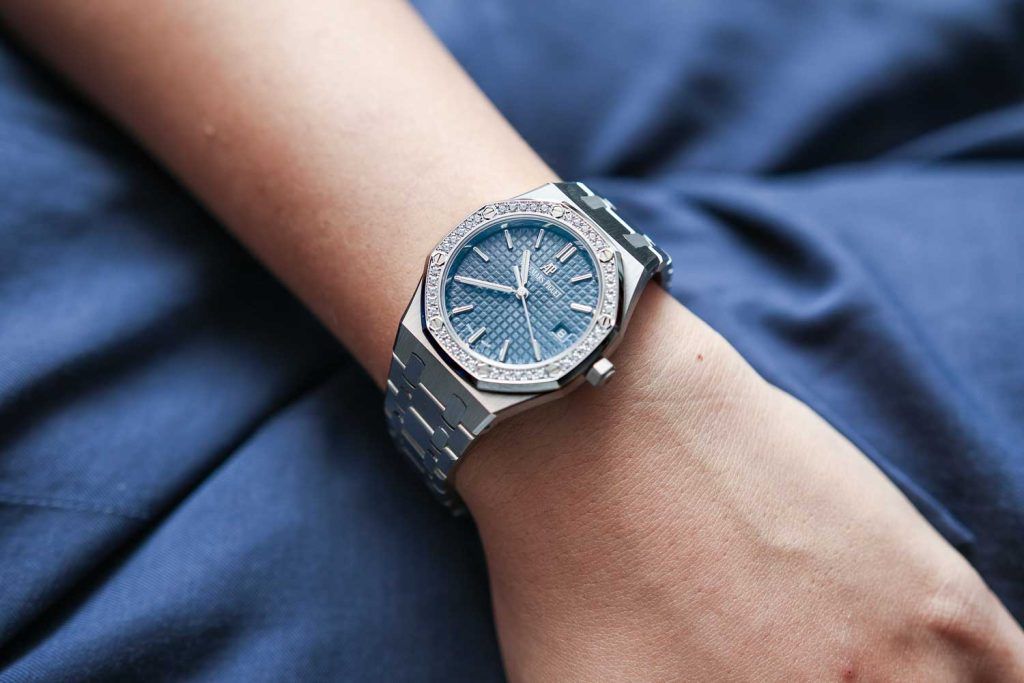
- Audemars Piguet
- Even within these brands, only specific models and configurations matter.
- Most watches do not outperform inflation.
Explore Rolex on Winder:
https://winderapp.com/rolex
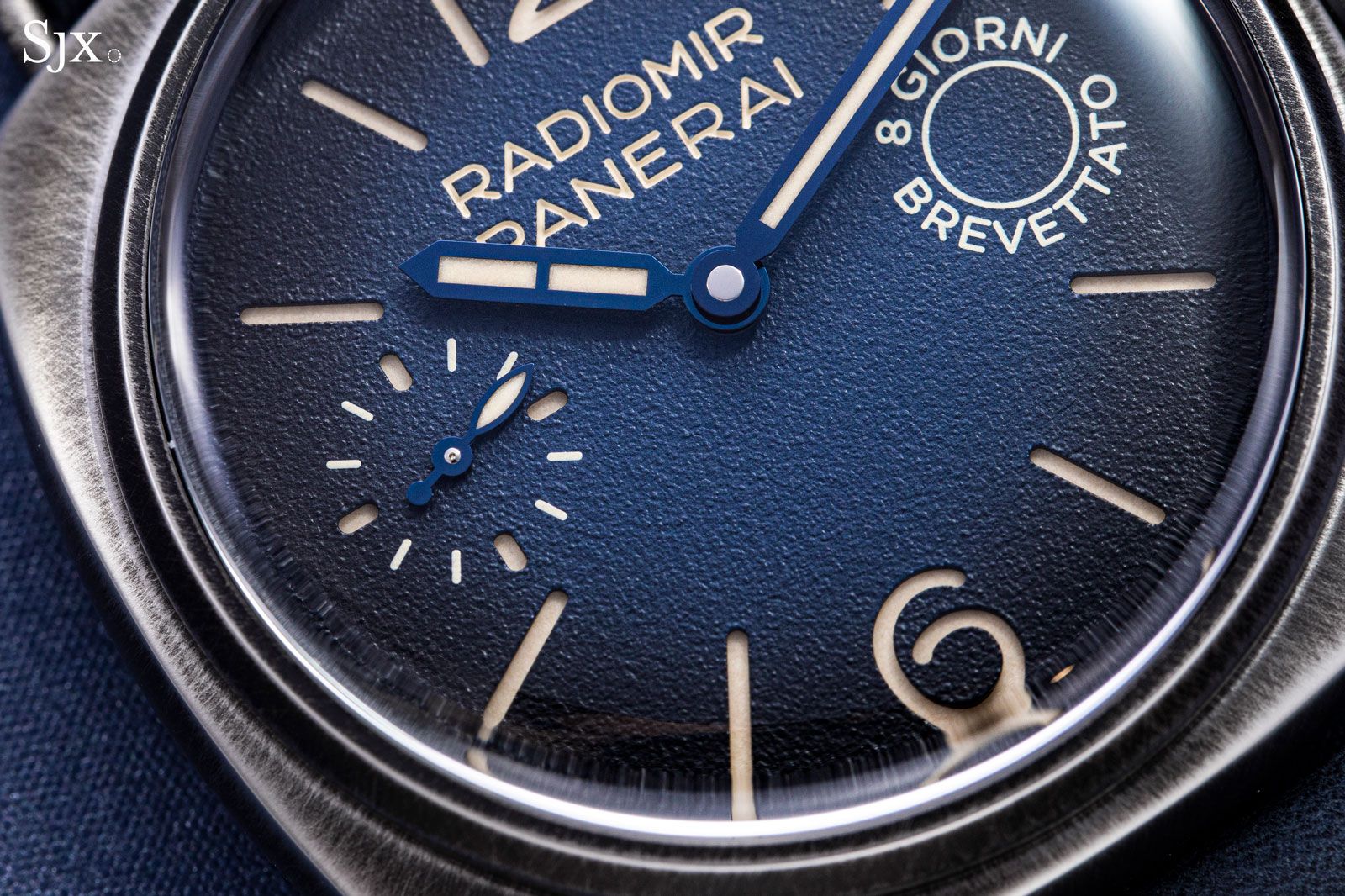
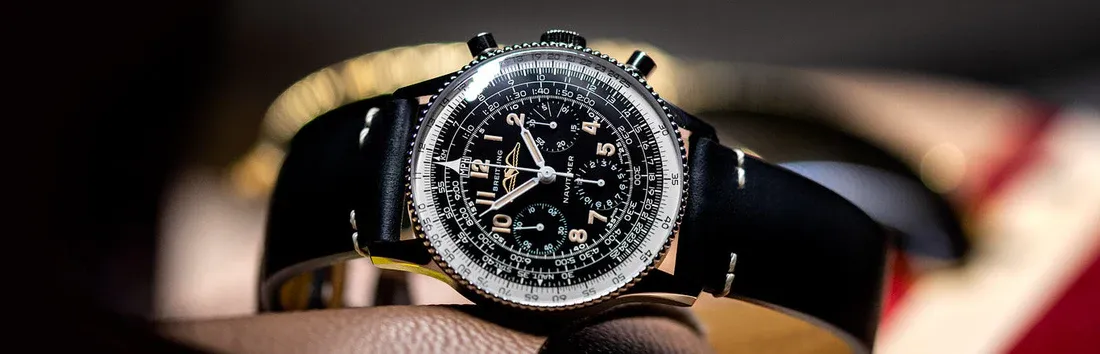
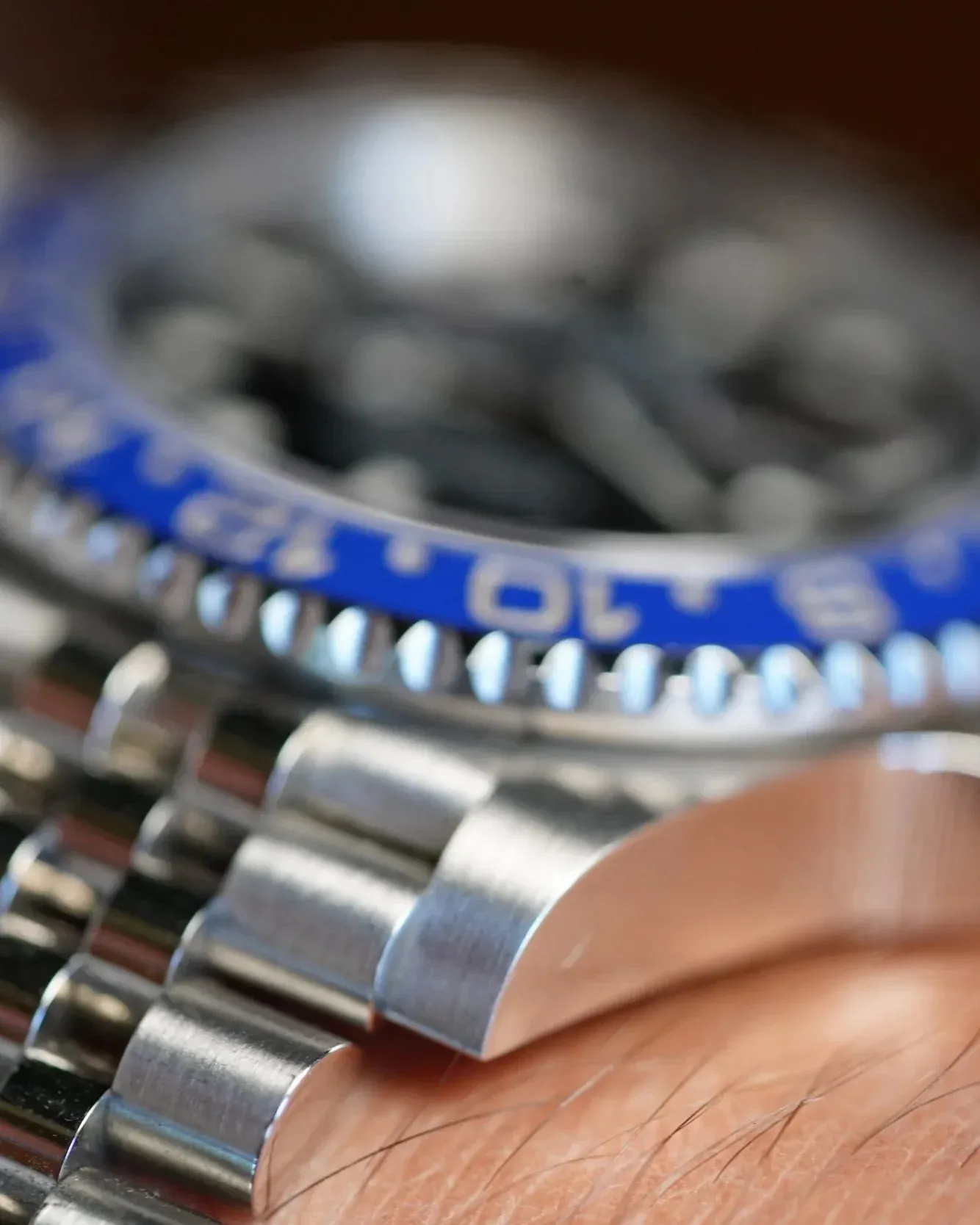
**Watches That Behave Like Assets (Rare) ** These watches share common traits:
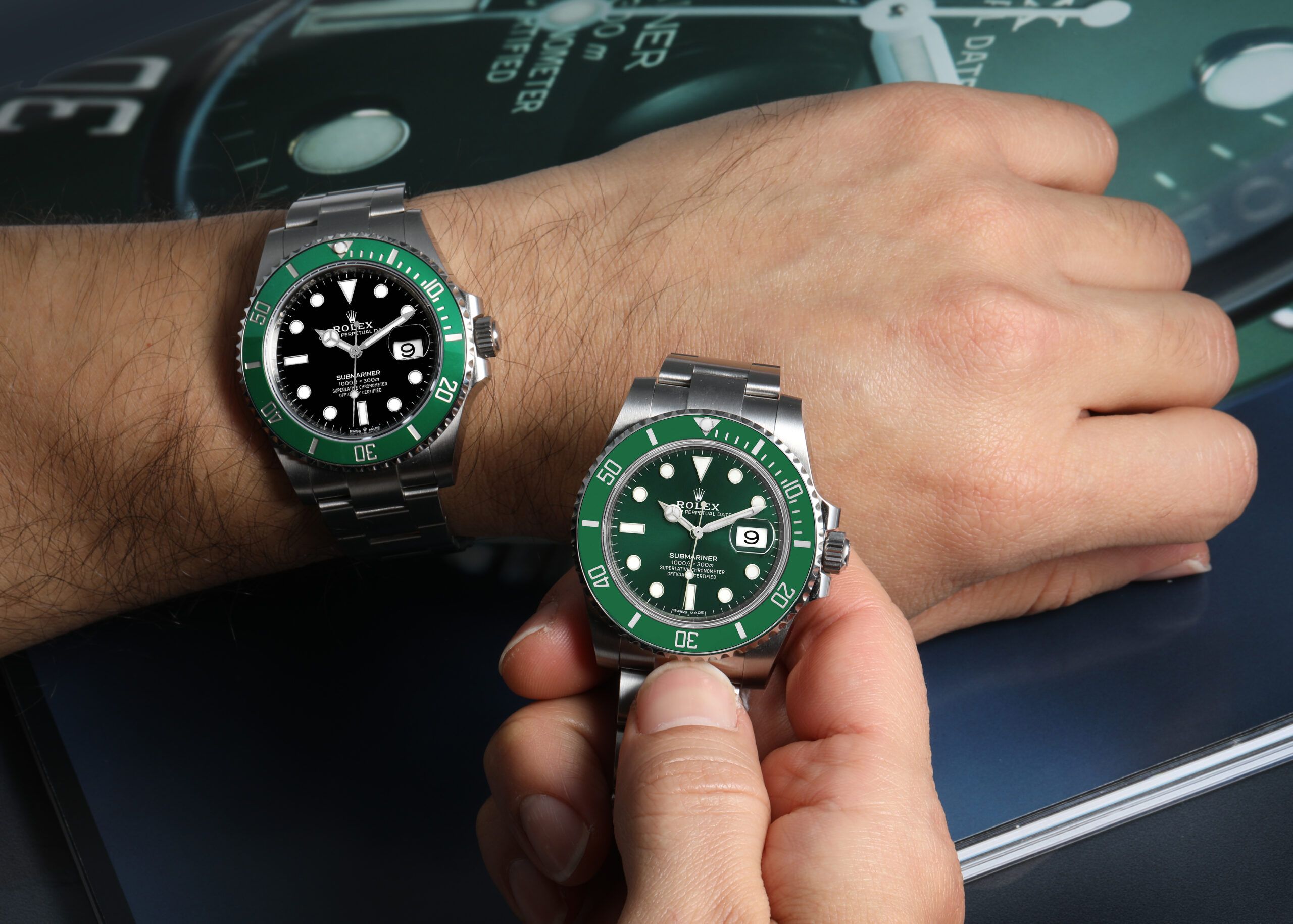
- Steel sports models
- Iconic references (Submariner, Daytona, Nautilus, Royal Oak)
- Original condition
- Full set (box & papers)
- Strong global demand
-Even then, returns are uneven and cycle-dependent.
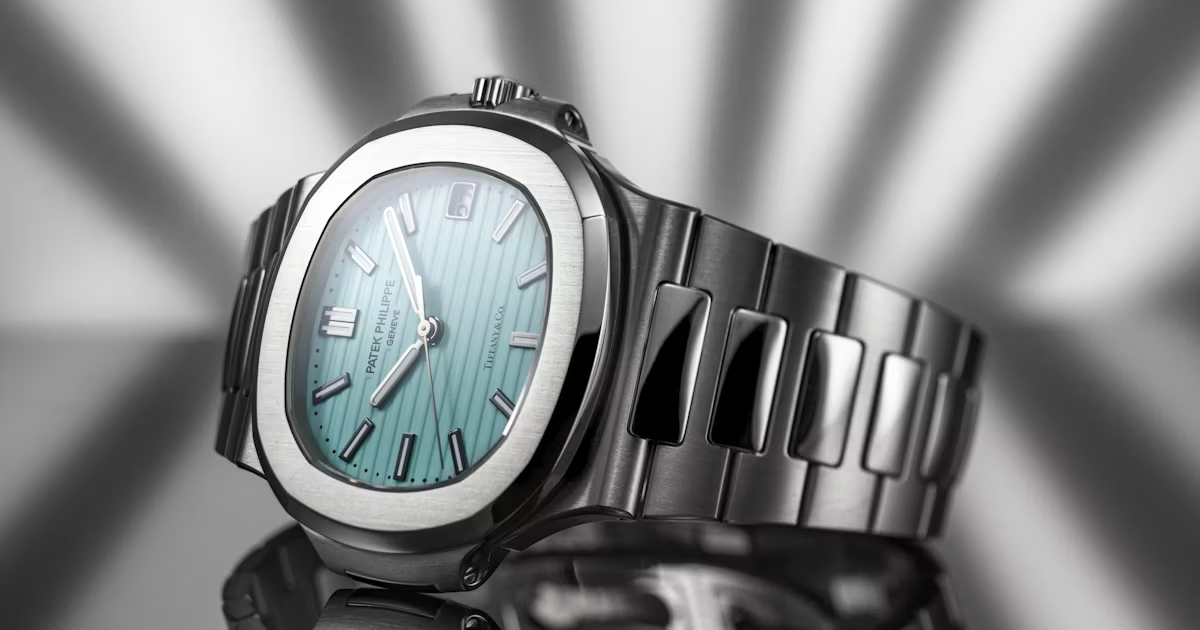
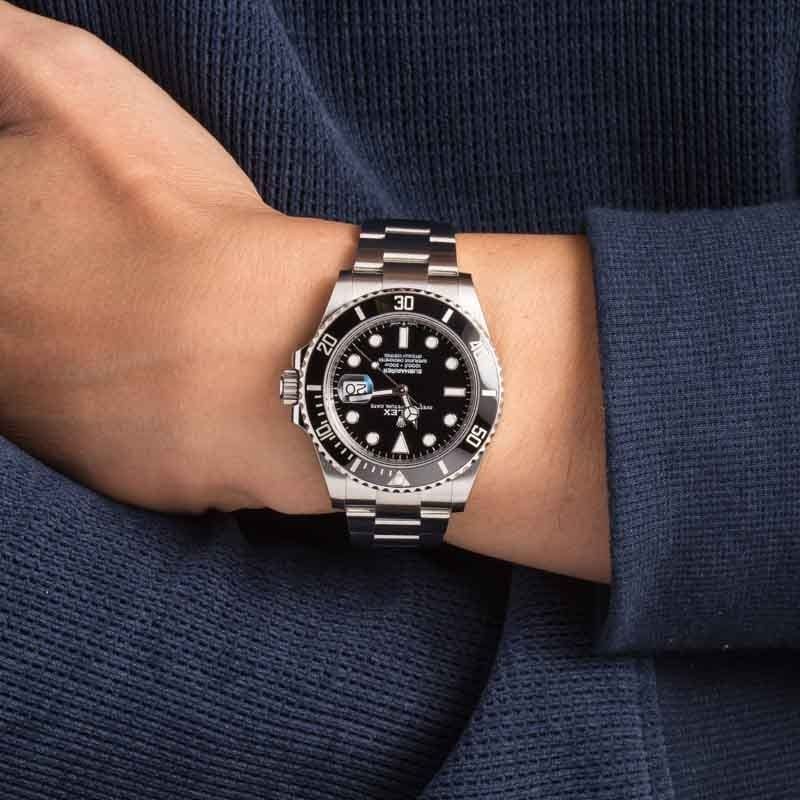
**Watches That Are Poor Investments (Most of Them) ** The majority of Swiss watches fall into this category:
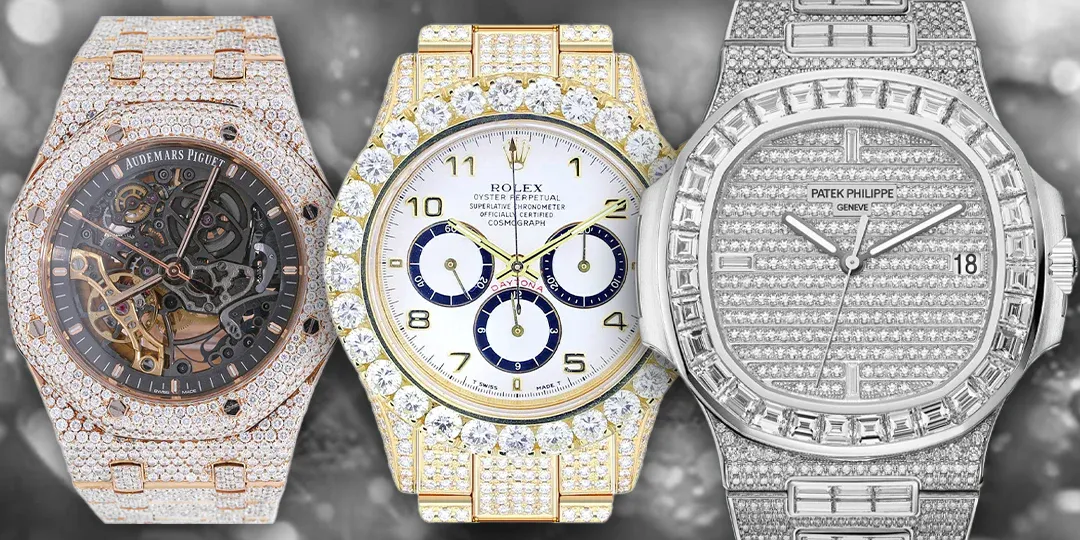
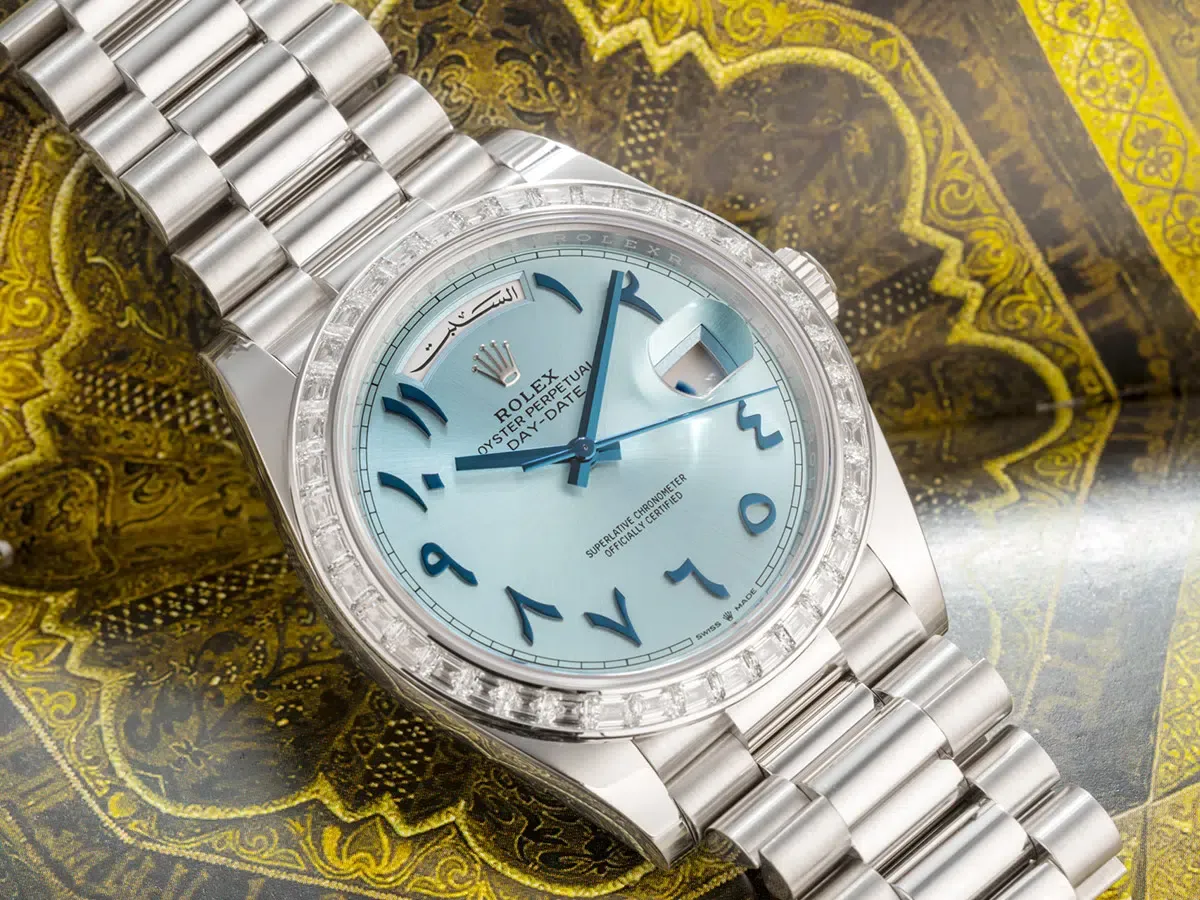
- Gold watches (non-iconic references)
- Limited editions without organic demand
- Aftermarket modified watches
- Oversized trend-driven models
- Fashion-driven releases
**The Hidden Costs of Watch Investing **
- Unlike stocks, watches come with friction:
- Dealer spreads
- Auction fees
- Insurance
- Servicing costs
- Storage risk
- Liquidity delays
A watch that rises 20% on paper may produce no real profit after costs.
This is why most professional collectors avoid calling watches “investments.”


**Investment vs Collecting: The Key Difference ** Serious collectors approach watches differently:
- They buy watches they want to wear
- Appreciation is a bonus, not the goal
- Emotional return matters as much as financial return
- Investors who buy watches only for profit often:
- Miss market timing
- Buy into hype
- Overpay during peaks
- Struggle to exit positions
**When Does Buying a Swiss Watch Make Sense Financially? ** Buying a Swiss watch makes sense if: ✔ You enjoy wearing it ✔ You understand the market ✔ You choose proven references ✔ You plan to hold long-term ✔ You accept volatility It does not make sense if: ❌ You expect guaranteed returns ❌ You rely on short-term flips ❌ You ignore condition and originality ❌ You treat it like a stock
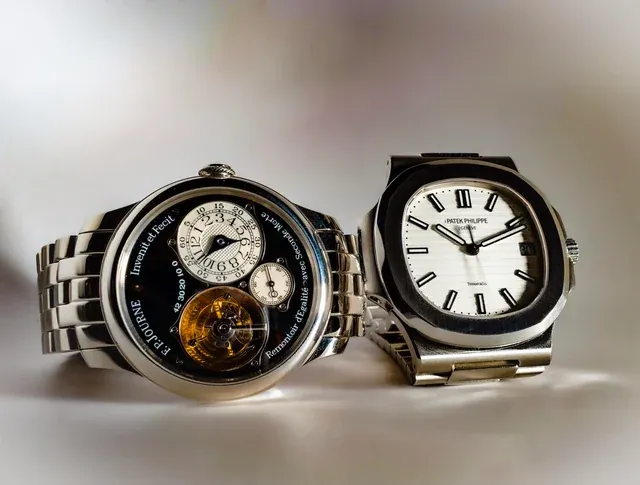
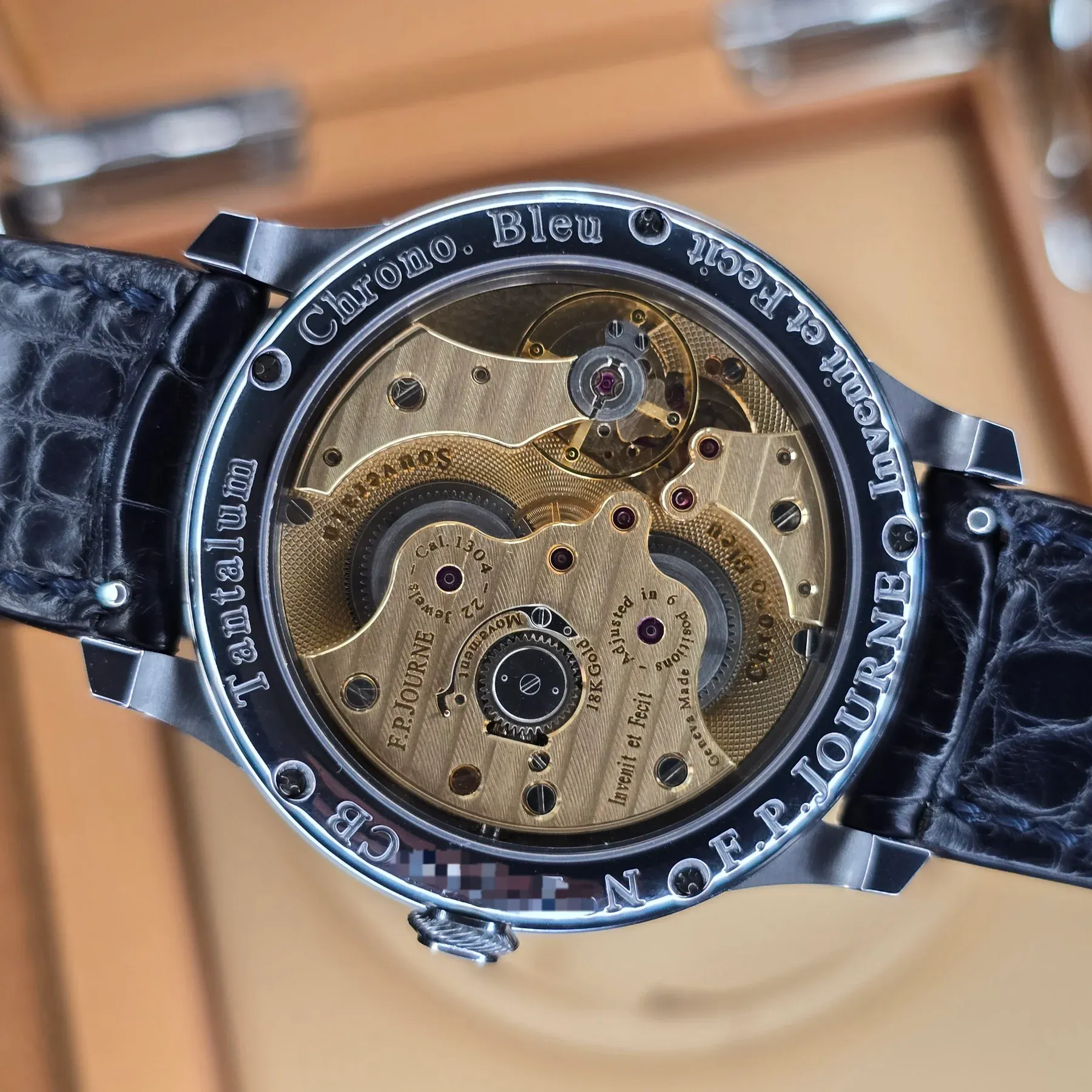
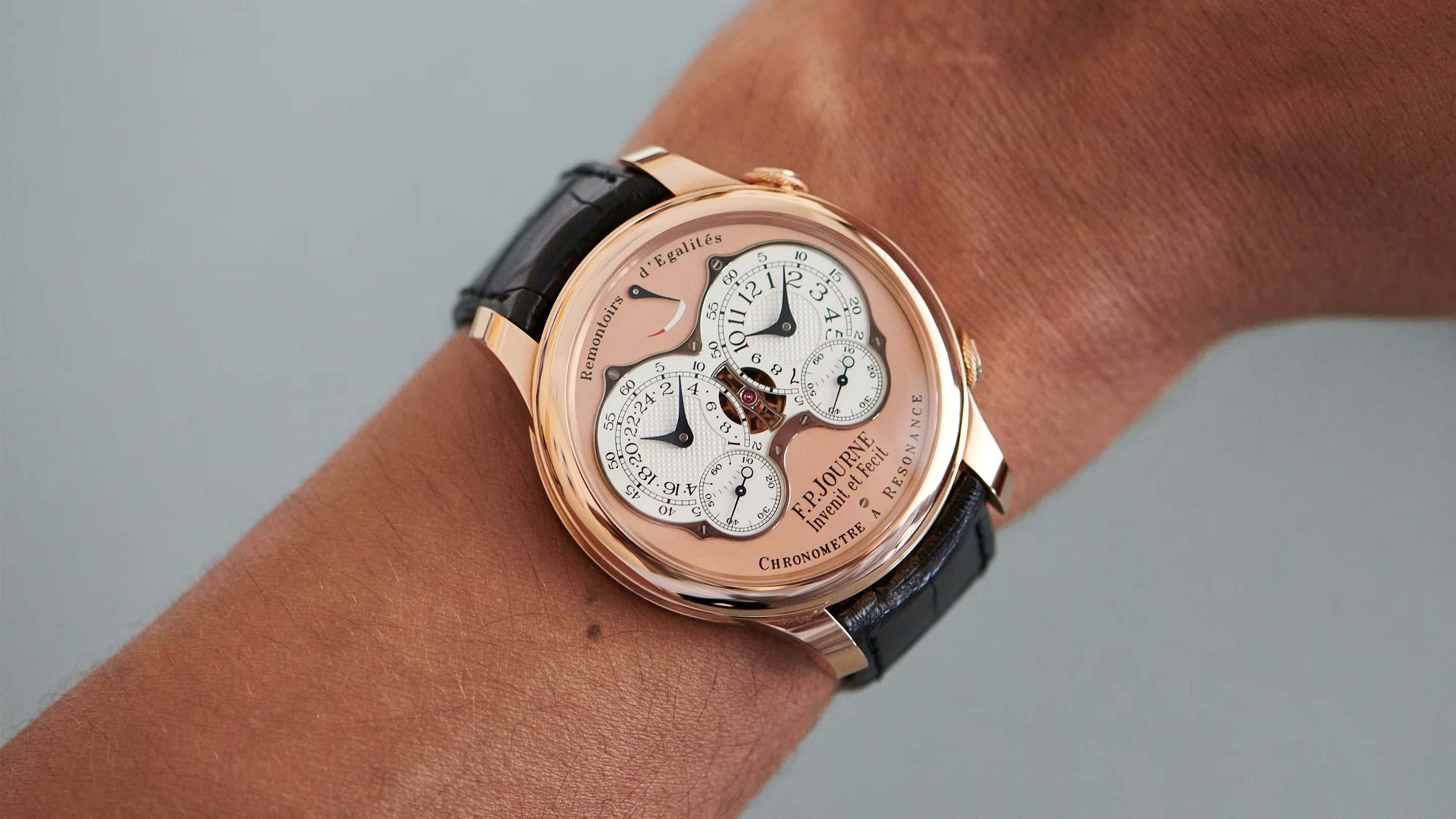
**Rolex, Patek, AP: Not Equal Risk **
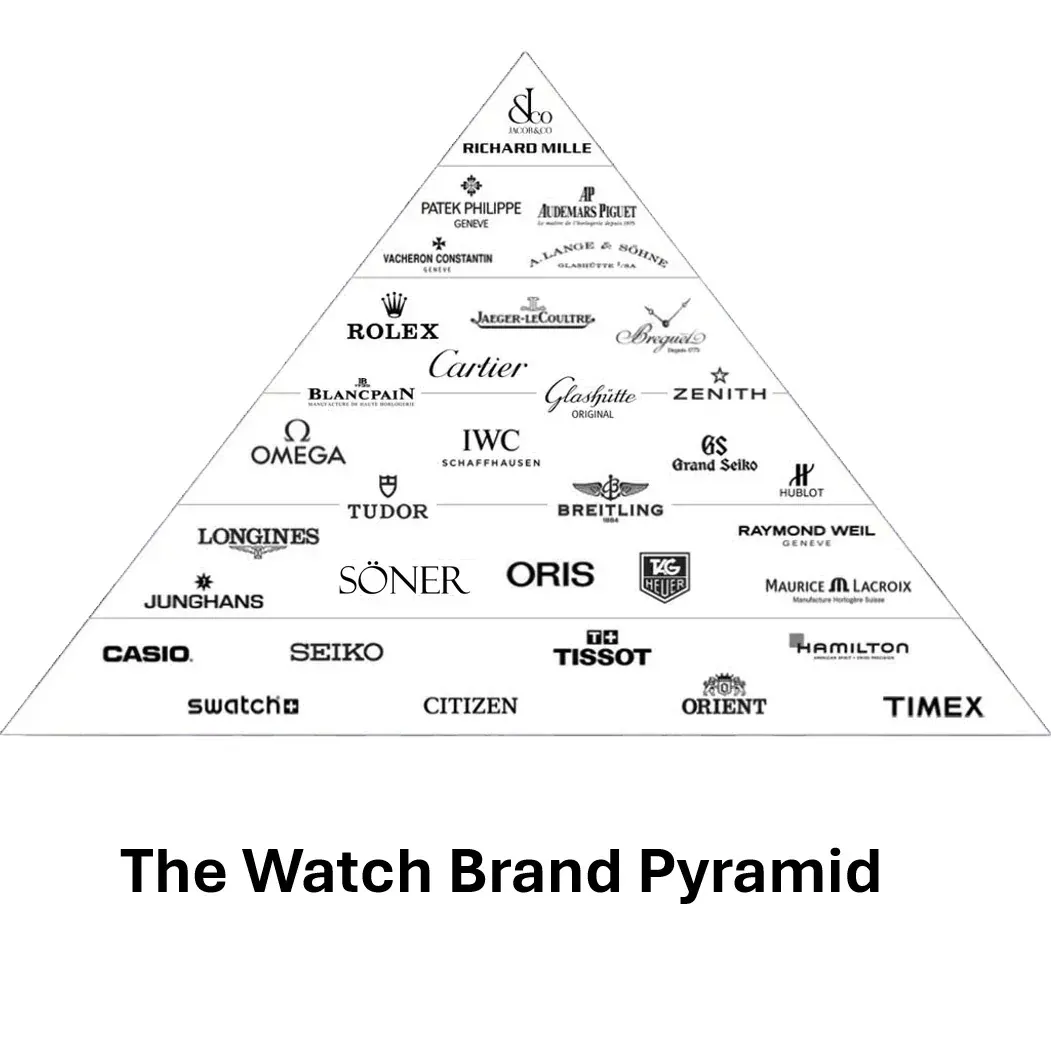
- Rolex: Most liquid, lowest risk, smaller upside
- Patek Philippe: Highest prestige, long-term focus
- Audemars Piguet: Design-driven, more volatile
- Understanding this hierarchy matters.
**Final Verdict: Is It Worth Investing in Swiss Watches?
**
As a primary investment? No.
As a passion asset? Depends on the model.
Swiss watches can store value, sometimes appreciate, and often outperform other luxury goods — but they are not reliable investment vehicles.
The smartest approach is simple:
Buy watches you love.
If they go up in value, consider it a bonus.
 **Final Thoughts
**
The Swiss watch market rewards knowledge, patience, and discipline — not speculation. Those who succeed financially usually start as collectors, not investors.
At Winder, we focus on clarity over hype, helping buyers understand which watches make sense — and why.
**Final Thoughts
**
The Swiss watch market rewards knowledge, patience, and discipline — not speculation. Those who succeed financially usually start as collectors, not investors.
At Winder, we focus on clarity over hype, helping buyers understand which watches make sense — and why.